
Social Media Competitor Analysis: Expert Guide (2026)

By a freelance digital marketer in Kochi
As a Freelance Digital Marketer in Kochi, I observe how most brands post, look at the likes, and wish for the best. In the meantime, their rivals demonstrate what works in public on a daily basis. A social media competitor analysis helps you read those signals instead of guessing.
I frequently conduct this type of review for clients. This is my method, my resources, the most common error I make, and a weekly routine of one hour.
What Is a Social Media Competitor Analysis?
A social media competitor analysis is a systematic study of how rival brands use social media. You research their audience, their material, and their outcomes. After that, you contrast them with your personal account.
Avoiding copying others is the aim. Finding out what your shared audience likes and what no one has yet to give are the objectives.
Step 1 : Select three to five rivals
Don’t make a long list. Include both types:
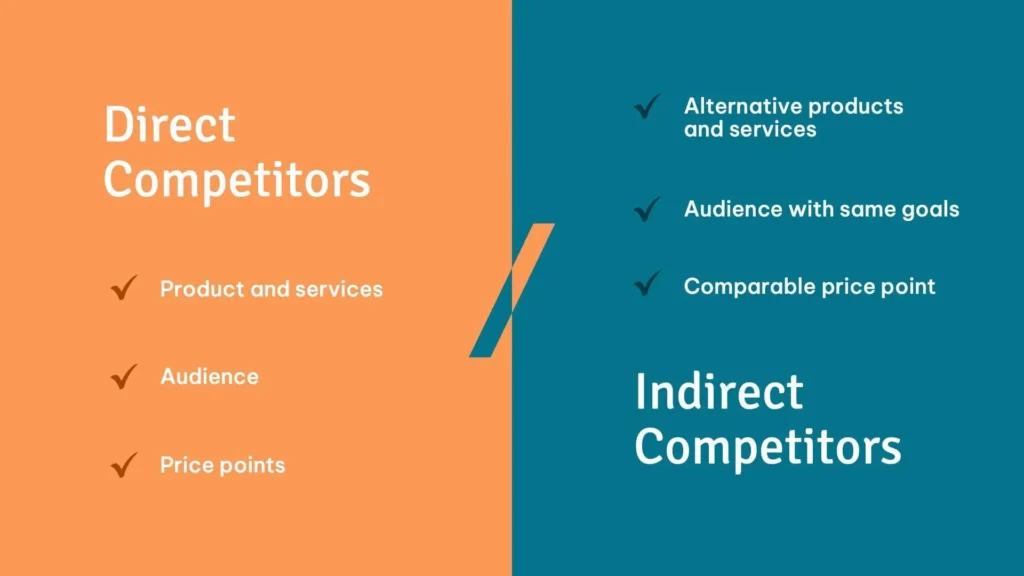
| Type | Meaning | Example |
| Direct | Sells something similar | Another skincare brand |
| Indirect | Targets your audience with a different offer | A beauty influencer |
Make a note of the companies that appear on Instagram when you search for your main keywords. Usually, those are your true competitors.
Step 2: Begin with Content and Audience Strategy
This is always my first move. I find out who the rival is speaking to and what material they post for that audience before I look at any metrics. That demonstrates to me what appeals to their fans and what works for them.
Step 3: Monitor the Important Numbers
Record a few simple metrics for each competitor:
- Platforms and posting frequency
- Follower growth
- Engagement on recent posts
- Hashtags they rely on
- Best-performing posts and Reels
Using a basic Google Sheet is adequate. Avoid chasing every metric.
Step 4: Make a Content Plan and Determine Any Gaps
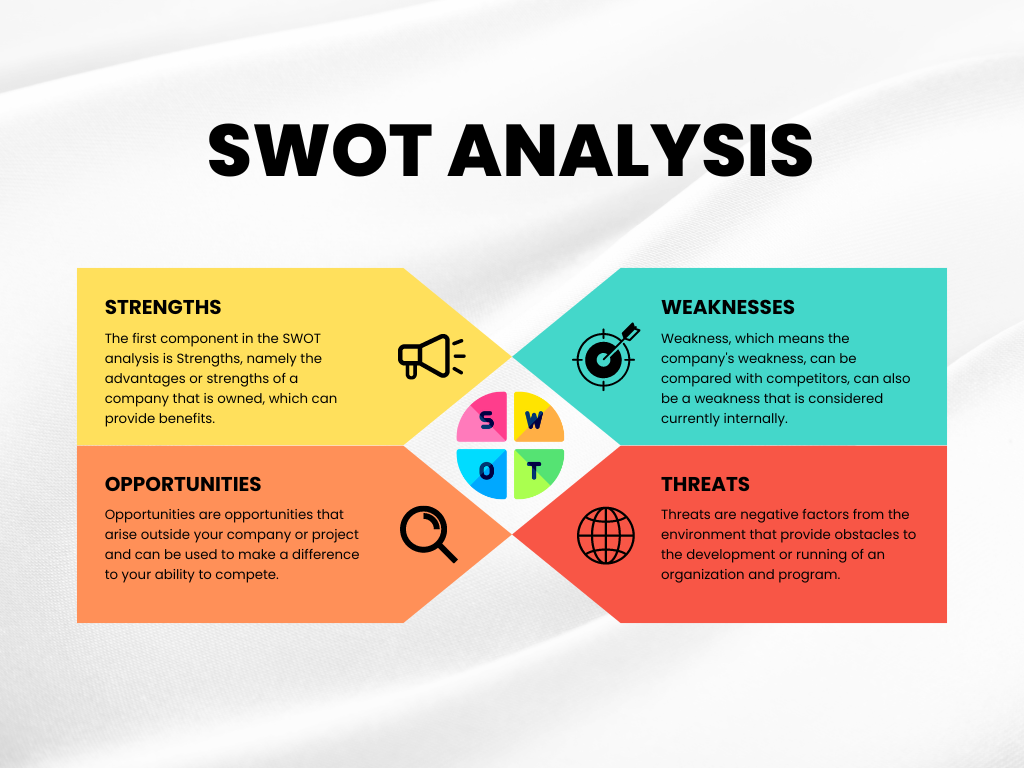
Perform a quick SWOT analysis, focusing especially on the opportunities box. Next, make a list of three to five actions, like a new Reel series or a weekly FAQ article. Since analysis only pays off when it influences what you publish, schedule them immediately.
An Actual Example: A Skincare Brand on Instagram
The majority of competitors nearly exclusively posted product promotions. Few discussed typical skin issues or offered skincare regimens.
The gap was that. I recommended customer FAQs, skincare advice, product demos, and instructional videos. Prior to selling, the goal was to establish trust. Since money, consistency, and niche all affect results, consider this a recommendation rather than a guaranty.
The lesson is straightforward: rather than imitating competitors, the goal of a social media competitor analysis is to identify content gaps.
The Error I See Most Frequently
Companies overpromote their goods while neglecting to assist their target market. If a beauty brand only shares product promotions, people have little reason to follow them.
Instead, aim for a harmonious blend:
- Educational: Trust-building skincare recommendations and manuals
- Entertaining: Short, fun posts that boost engagement
- Promotional: Launches and offers that drive sales
Reviews from customers also fit in nicely. Each industry has a different ideal ratio, so test it and make adjustments.
Tools to Use
You don’t need an expensive stack:
- Instagram: Review competitors’ public posts and Reels by hand.
- Google Sheets: Keep track of all your research in one location.
- Meta Business Suite: Monitor your own engagement and reach.
One honest limit: you can only see public data. Competitors’ private analytics stay private, so treat their numbers as estimates.
A One-Hour Weekly Routine for Small Businesses
Short on time? Pick three to five competitors and split one hour into three parts:
| Minutes | Task |
| 20 | Check competitors’ best-performing posts and Reels |
| 20 | Study their content strategy and audience engagement |
| 20 | Find content gaps and plan new ideas for your brand |
Log everything in Google Sheets. Within a few weeks, patterns will show up without hours of work.
Frequently Asked Questions
How many competitors should I monitor?
Three to five is sufficient. More than that, and the work becomes hard to finish.
Is it okay to study competitors’ social media?
Yes, provided that you provide original content and make use of publicly available information.
Do I require instruments that cost money?
No, all you need to get started is Google Sheets, Instagram, and Meta Business Suite.
Conclusion
Social media competition analysis doesn’t have to be difficult. Analyze a few competitors, spot any holes, then produce content to close them. Start with one hour this week.
About the Author
Freelance Digital Marketer in Kochi
Helping businesses grow through SEO, Local SEO, Google Ads, Performance Marketing, content marketing, and data-driven digital strategies that increase visibility, leads, and revenue.
Written by SUNU K S
Freelance Digital Marketing Expert In Kochi